
Babies have the softest, most delicate skin, but that also means they are more likely to experience rashes and skin conditions. Most of these issues are harmless and clear up with simple care, but some need medical attention. This guide breaks down the most common baby skin conditions, how to recognize them, and what you can do.
1. Baby Rashes
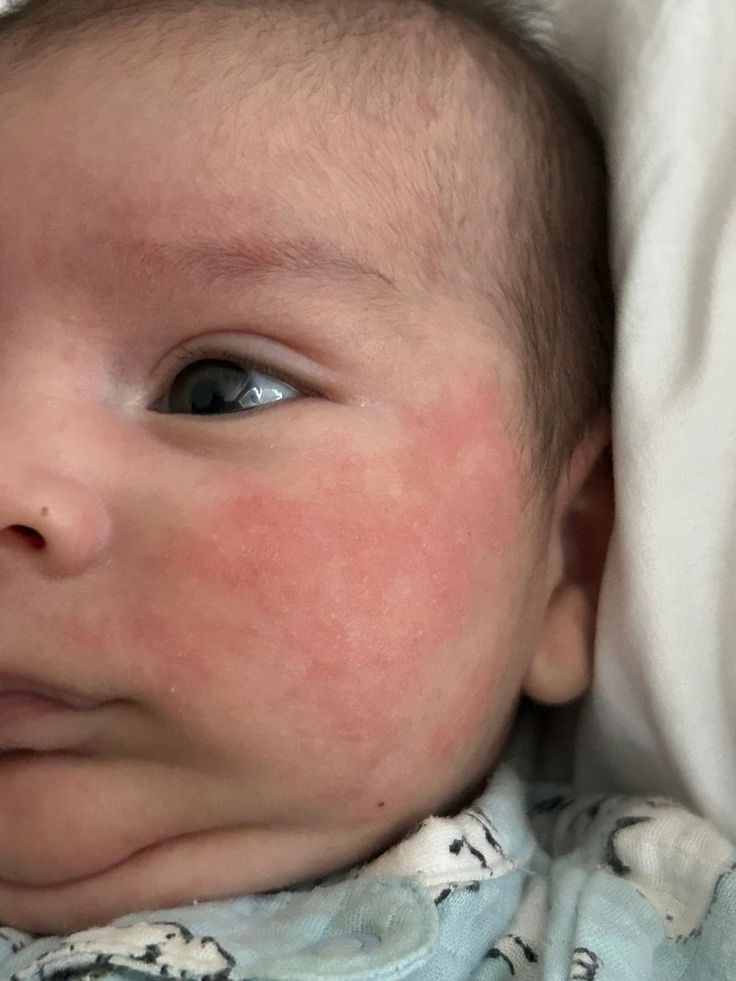
Baby rashes appear as red spots or patches, sometimes with tiny bumps.
It is caused by heat, sweat, drool, or sensitivity to soaps and detergents.
Care:
- Keep skin clean and dry.
- Use loose cotton clothes.
- Apply a light baby-friendly cream
- Avoid strong soaps and powders.
Most rashes can be avoided by choosing safe skincare basics like fragrance-free soaps and breathable clothes.
See a doctor if the rash spreads quickly, comes with fever, or your baby seems very uncomfortable.
2. Eczema (Atopic Dermatitis)
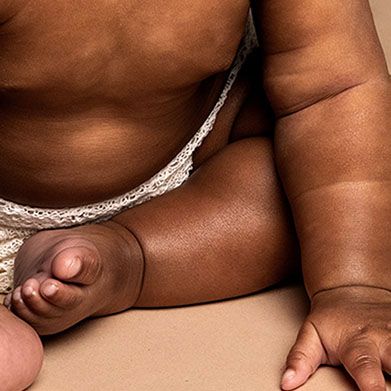
Eczemas appear as dry, red, scaly patches, often on cheeks, elbows, or knees. Skin may be itchy.
It happens mostly because sensitive skin reacts to triggers like heat, certain fabrics, or soaps. Sometimes it runs in families with asthma or allergies. Moisturizing and sun protection go hand-in-hand. Learn more in our article on essential baby skincare tips
Care:
- Bathe your baby with lukewarm water, not hot.
- Use fragrance-free cream often.
- Dress your baby in breathable cotton.
- Identify and avoid triggers (like perfumed soap or wool).
👉 See a doctor if eczema is severe, oozing, or not improving with home care.
3. Baby Acne
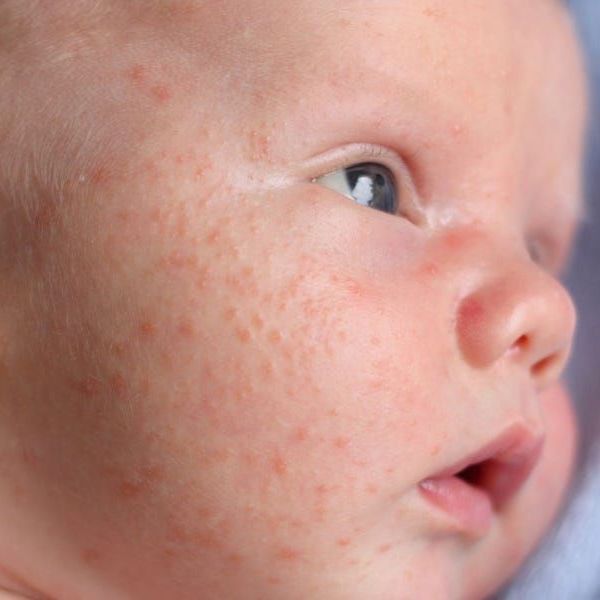
These look like tiny pimples or red bumps, usually on the face (nose, cheeks, forehead).
It is believed that acne is caused by hormones passed from mom during pregnancy.
Care:
- Wash your baby face gently with lukewarm water.
- Don’t scrub or squeeze pimples.
- Usually clears up on its own within weeks.
4. Cradle Cap (Seborrheic Dermatitis)
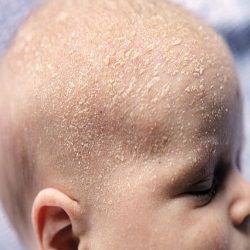
This is mostly present on the baby’s scalp, they appear as yellow, greasy scales on baby’s scalp like dandruff but it’s not dandruff
It is caused by extra oil from your baby’s skin glands.
Care:
- Gently massage your baby’s scalp with baby oil or coconut oil, then wash with mild baby shampoo.
- Use a soft brush to loosen flakes.
See a doctor if it spreads beyond the scalp or looks infected.
5. Heat Rash (Prickly Heat)
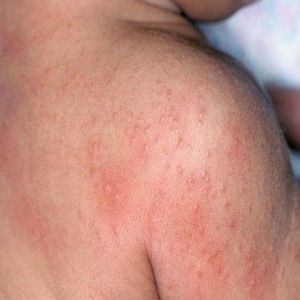
Heat rashes are small red or pink spots, often on the neck, chest, or diaper area.
They appear when the weather is hot or when your baby sweats due to heat or overdressing.
Care:
- Keep your baby cool and dry.
- Dress in light cotton clothes.
- Avoid thick creams in hot weather.
- Use age appropriate prickly heat powder
For an extended read and images check out this source
6. Diaper Rash
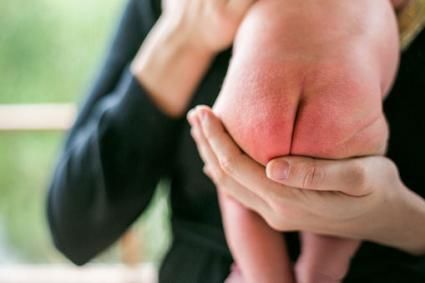
Diaper rash is confined to the diaper area and presents as red, sore skin around the diaper area.
It is mostly caused by wet or dirty diapers, rubbing, or reaction to wipes/soaps.
Care:
- Change diapers often.
- Let your baby’s bottom air-dry before putting on a new diaper.
- Use a barrier cream with zinc oxide.
See a doctor if the rash has blisters, pus, or doesn’t improve in 2–3 days.
7. Birthmarks
Birthmarks are colored patches on skin present from birth. Common ones include:
- Mongolian spots: Blue-grey(light green) marks on the back or bottom (fade with time).
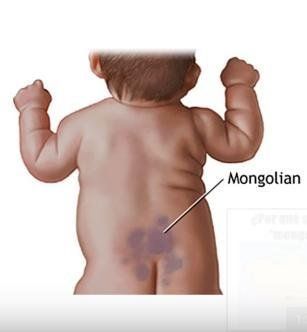
- Strawberry marks: Red raised spots that may grow but often shrink later.
- Port-wine stains: Flat red/purple patches that usually stay.
Care: Most are harmless. Just monitor. Doctors may treat certain birthmarks if they affect your baby’s health or self-esteem later.
8. Milia
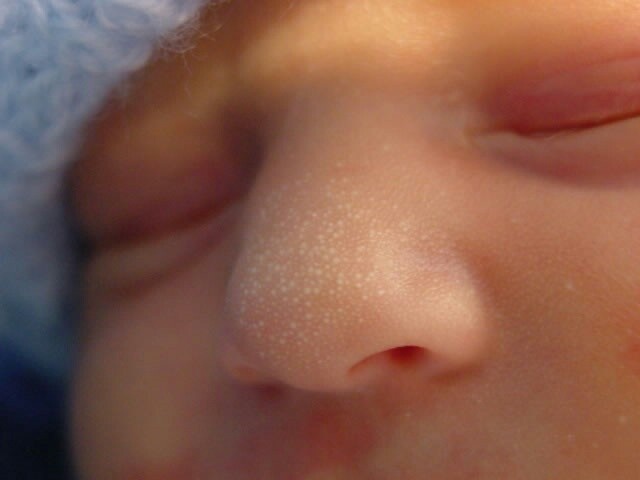
These are tiny white bumps on the nose, cheeks, or chin. Mostly common in new-borns
It is caused by blocked skin pores.
Care: No treatment needed. They usually disappear on their own within weeks.
9. Ringworm (Fungal Infection)
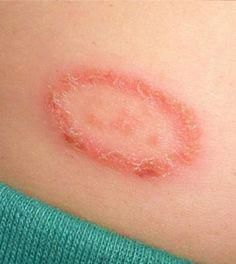
Round, red, itchy patches with clear skin in the center.
Caused by fungal infection, it can spread from person to person.
Care:
- Keep skin clean and dry.
- Avoid sharing towels or clothes.
- Doctors may recommend antifungal cream.
10. Hives
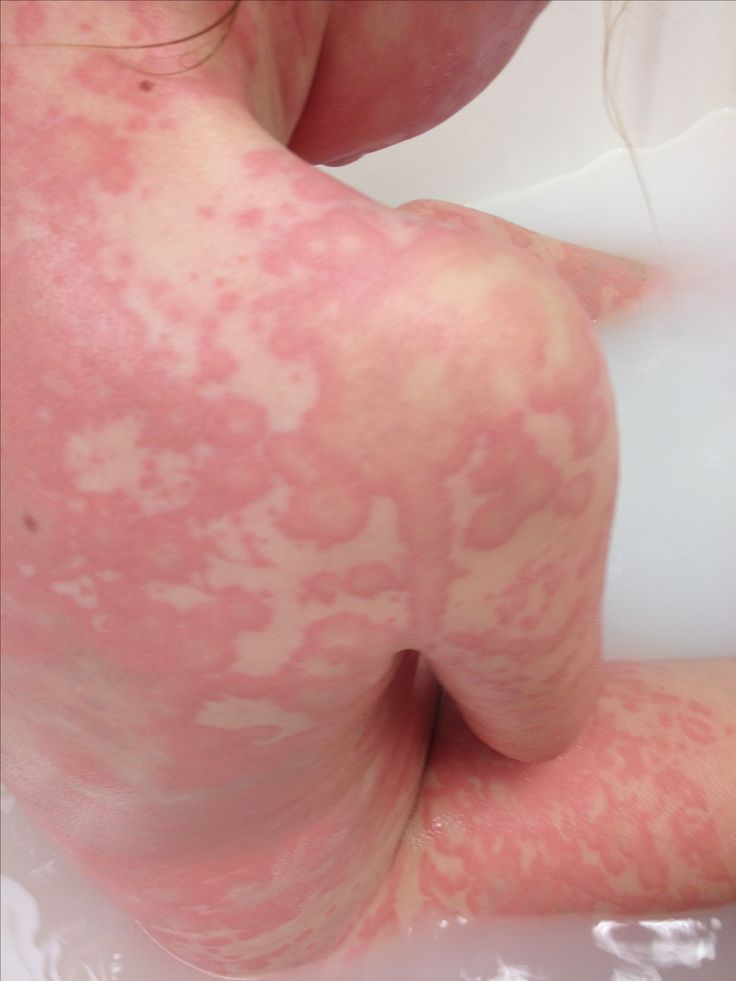
Hives are raised, itchy red welts that come and go. They mostly occur as a result of an allergic reaction. Allergic reactions can be to food, medicine or insect bites, make sure to be mindful of what could cause your baby’s allergic reaction and keep them away (but then, do Nigerians experience allergies?)
Care:
- Keep your baby cool.
- Avoid known triggers.
- Antihistamines may be prescribed by a doctor.
See a doctor immediately if hives come with breathing problems, swelling of the face, or vomiting.
When to See a Doctor Urgently
Seek medical help if your baby’s skin condition comes with:
- Fever
- Pus or spreading infection
- Severe itching or discomfort
- Breathing difficulties (in case of allergies)
Final Thoughts
Baby skin problems are common, and most are not serious. With gentle care, many rashes and marks clear on their own. But always trust your instincts as a parent—if something looks unusual, spreads fast, or makes your baby unwell, consult a doctor.
Want a complete routine that covers prevention and care? Visit our ultimate guide to baby skin care in Nigeria