
Have you ever heard that expression “soft as a baby’s skin”? Some even take it further and use baby skincare products themselves because they believe they are made with extra care.
Congrats Mama, you’ve done something incredible by bringing your little one into the world. You’ve faced all challenges so far but now you’re face-to-face with that skin problem you’ve been avoiding—and you’re panicking.
Unlike adults, baby skin is more delicate and sensitive. They’ve not faced the harshest of weathers yet, so their skin has not developed that thickness and is still maturing. Baby skin is more likely to experience dryness, rashes, and irritations. It feels like they react to everything and anything.
It’s understandable that you’re worried—skincare is one of the biggest concerns parents face, and it shows up in so many forms. The good news is, it’s not permanent. With the right knowledge and a few tricks, your baby’s skin can return to or maintain its glow. Your baby will also enjoy comfort and health.
This guide covers all you need to know about maintaining and caring for your little one’s skin, identifying common skin conditions, and knowing when it’s time to consult the doctors (or “ancestors”). Think of it as your go-to for baby skincare in Nigeria—you’re welcome.
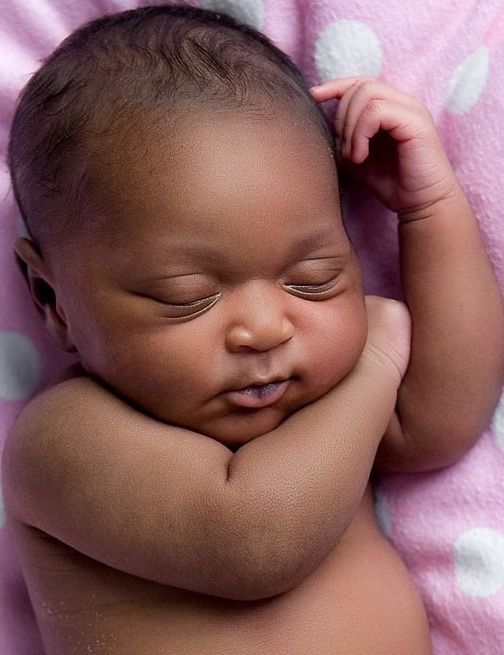
Why is Baby Skin Different?
Compared to an adult, a baby’s skin is brand new to the world and still developing. While an adult’s skin has reached maturity, a baby’s skin is still catching up—their skin barrier is still developing.
The skin, being a sense organ, serves as a means of communication between our inner parts and the external environment.
- A baby’s skin is likely to get dry easily because it loses moisture fast.
- Their skin absorbs substances faster, so it gets irritated easily.
- Their skin is very sensitive to heat, cold, sudden temperature changes, and harsh products.
Once you understand these differences, it becomes easier to source the right baby products and avoid harmful ones. It also helps you know the best treatment for your little one.
Want a deeper dive? Read our full guide on Baby Skin Basics: Why Baby Skin is Different & Safe Products to Use
Daily Baby Skincare Routine
When it comes to taking care of your baby’s skin, keeping it simple is best. You don’t need to go over the top or apply layers and layers of products. Being gentle goes a long way.
Bathing
- Bathe your baby 2–3 times a week; it doesn’t have to be every day for newborns.
- In the first few days after birth, just clean your baby with lukewarm water and a clean towel.
- As they grow older and more active, you can bathe them daily.
- Use mild, fragrance-free soaps. Trusted brands like Exotic or Boots are good. Locally made black soap for babies can also work—our grandmothers used it and we turned out fine.
Creams and Oils
- Use fragrance-free creams made for babies.
- Check the label: clinically tested, paraben-free, and hypoallergenic.
- You can also join me in using unadulterated shea butter.
Diaper Care
- Before wearing diapers, apply Vaseline all over the diaper area.
- Change diapers when they’re full, heavy, or after number two.
- Give your child breathing space too—not every time diaper!
Sunlight Exposure
- Babies below 6 months should be kept away from direct sunlight (except for conditions like jaundice).
- Hats, umbrellas, and breathable clothes are your friends.
- No sunscreen for babies below 6 months.
- From 3 months up, let them enjoy the morning sun when it’s still gentle.
Common Baby Skin Conditions
Even with the best care, your baby may still experience skin issues. I went through this—same routine from birth, then suddenly my 7-month-old woke up one morning full of rashes. So here are the most common ones to watch out for:
- Baby Acne: Tiny pimples that clear on their own.
- Eczema: Dry, scaly, itchy patches—can be mild or severe. Needs special cream.
- Cradle Cap: Greasy, sometimes yellow scaly patches on the scalp.
- Diaper Rash: Redness confined to the diaper area.
- Heat Rash: Small red bumps caused by hot weather.
- Dry Skin: Flaky, rough patches, especially during rainy season.
- Birthmarks/Spots: Harmless, some fade with time while some remain.
Identifying Rashes
As a new mother, it can be tough to tell rashes apart.
- Most rashes are harmless.
- Eczema usually looks dry, scaly, and itchy.
- Allergic reactions may include swelling or hives (big bumps).
- If the rash spreads quickly, is filled with pus, or comes with fever, see a doctor.
Some home remedies like prickly heat powder, calamine lotion, or breastmilk do work. When my baby had rashes, I switched to just powder and they cleared in a few days.
Please avoid untested herbal remedies. People will always give advice you didn’t ask for, but trust your instinct—it’s powerful.
Other Things to Consider
- Do not use your personal creams on your baby—stick to baby products.
- Shea butter is safe and natural.
- Skin peeling in the first few weeks is normal—it’s just adjustment.
- Eczema is common on cheeks, arms, and behind knees.
- Use detergents meant for babies, or rinse regular detergents thoroughly to remove scent and foam.
Conclusion
Baby skin is delicate, but with the right knowledge and gentle care, you can keep it healthy, glowing, and comfortable. Don’t overcomplicate things—stick to mild products, keep a simple routine, and trust your instincts as a mother. With time, your baby’s skin will thrive, and you’ll worry less about those tiny bumps and rashes.
If you’re just starting out, check out our guide on baby skincare basics for Nigerian moms — from safe products to the right fabrics for your little one.
Worried about rashes or eczema? Learn how to identify and treat them in our article on common baby skin conditions.
“For practical everyday routines, don’t miss our list of essential baby skincare tips every Nigerian parent should know.”



Pingback: Baby Skin Basics: Safe Skincare, Products, and Clothing Tips for Nigerian Moms - The Naija Mom